
Electric ant
Alert
Book a free annual yard check or report suspected electric ants using 1 of these methods:
- Report online.
- Phone Biosecurity Queensland on 13 25 23.
- Email electricantinfo@dpi.qld.gov.au.
Don't accidentally spread electric ants—use our interactive map to check the location of the electric ant restricted zone, and the movement controls that apply.
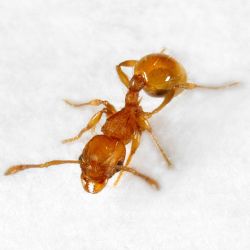
Electric ant close-up
© Queensland Government
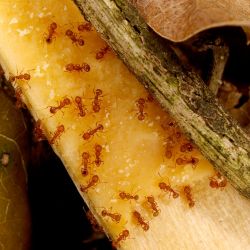
Electric ants in leaf litter
© Queensland Government
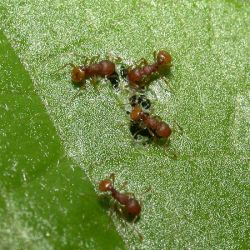
Electric ants on vegetation
© Queensland Government
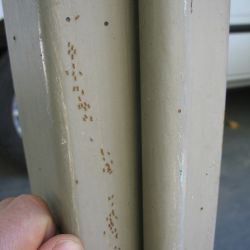
Electric ants on post
© Queensland Government
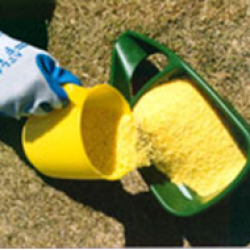
Bait treatment for electric ants
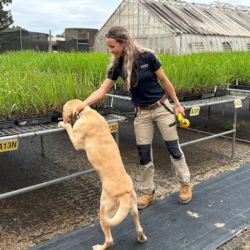
Electric ant odour detection dog
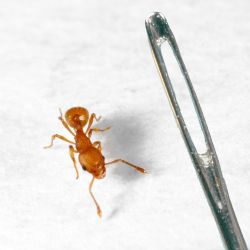
Electric ant size comparison to eye of a needle
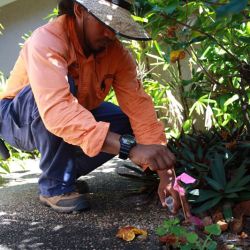
Setting lures for electric ants
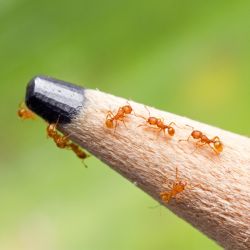
Electric ants on pencil nib
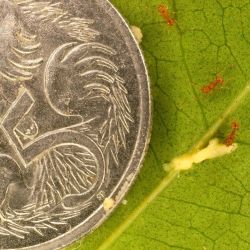
Electric ant size comparison to a 5 cent coin
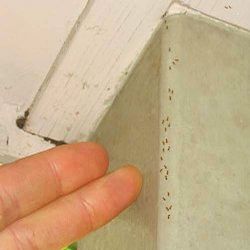
Electric ants are tiny and form slow-moving foraging trails
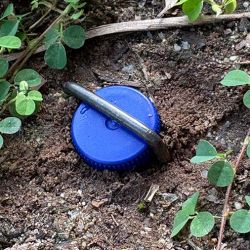
Example of an in-ground pitfall trap
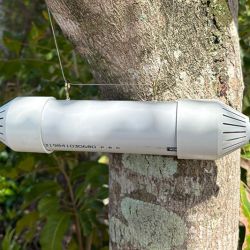
Example of an in-tree canopy trap
Native to Central and South America, electric ants are tiny and golden-brown. Electric ants prey on and compete with other insects and can displace large numbers of native animals, ants and other insects. They can also inflict painful stings on wild and domestic animals, and on humans.
First detected in Cairns in 2006, electric ants are one of the world's most invasive pests. They affect human health and lifestyle, can blind pets, damage the environment, and have the potential to severely affect agricultural industries.
Electric ants are category 1 and 3 restricted matter under the Biosecurity Act 2014. Under the Act, all Queenslanders have a general biosecurity obligation to manage biosecurity risks and threats that are under their control, they know about or they are expected to know about.
This places requirements on residents and businesses to:
- report ants they suspect of being electric ants within 24 hours
- not move or dispose of electric ants or electric ant carriers unless in accordance with legislated movement controls.
Early detection and reporting are the key elements in eradicating electric ants. You can report suspected electric ants online or phone Biosecurity Queensland on 13 25 23.
Scientific name
Wasmannia auropunctata
Similar species
- Pennant ant
- Marauder ant
- Coastal brown ant
Description
- Tiny social ant about 1.5mm long.
- Body is golden-brown.
- Usually slow-moving.
- Form distinct foraging lines.
Habitat
- Establish colonies anywhere rather than having visible nests.
- Found under stones, blocks, sleepers, logs and in garden waste, leaf litter, soil, trees, around swimming pools, watercourses.
- Also found in wall cavities, clothing, bedding, garden equipment, camping gear.
- Found in wet and dry conditions.
- Can survive in water, may sting you in your swimming pool, raft in waterways and be moved by flooding.
Distribution
- Found in Cairns and surrounding areas.
- Use the electric ant interactive map to see affected locations.
Life cycle
- Queens live for approximately 12 months and lay up to 70 eggs a day.
- Eggs are incubated for 8–10 days.
- Larvae develop for 14–16 days.
- Nymphal stage lasts 13–14 days.
- Adult workers live for more than 40 days.
- Males live for several weeks.
Impacts
Environmental
- Can outcompete and displace other ant species.
- Can cause declines in numbers of invertebrates and small vertebrates—in the long term, dense infestations reduce overall biodiversity.
- Thought to have reduced reptile populations in New Caledonia and tortoise populations in Galapagos Archipelago, where ants eat hatchlings and attack eyes and cloacae of adult tortoises.
Economic
- Electric ants collect honeydew from sap-sucking insects and protect them from other predators. This can result in agricultural farms experiencing dieback and reduction in crop yield through reduced plant vigour and the spread of crop diseases such as sooty mould. In addition to lost crop production, direct production costs are increased by additional insecticide and fungicide treatment required.
- In some countries, there has been a significant loss in tourism as their painful sting discourages outdoor recreational activities.
Social
- Inflict stings on humans that cause painful, itchy, persistent pimples and, rarely, severe allergic reactions.
- May sting, and can blind domestic pets.
- Dense infestations may leave backyards or pools unusable.
- May invade insides of houses.
Control
- Chemical baits can be used to destroy electric ant colonies.
- Movement controls are in place for electric ants and electric ant carriers.
Legal requirements
- Electric ants are category 1 and 3 restricted matter under the Biosecurity Act 2014.
- This means that if you find ants that you suspect are electric ants, you must report them within 24 hours by either:
- reporting online
or - phoning Biosecurity Queensland on 13 25 23.
- reporting online
- Under the Act, everyone in Queensland has a general biosecurity obligation to ensure that they do not spread a pest, disease or contaminant. We are all responsible for managing biosecurity risks that are under our control.
Movement controls
- Under the Act, individuals and organisations within the electric ant biosecurity zone whose activities involve the movement of electric ant carriers have a general biosecurity obligation to take all reasonable steps to ensure they do not spread electric ants. They can do this by adhering to legislated movement controls.
- An electric ant biosecurity zone is in place in 6 council areas in Far North Queensland: Cairns Regional, Cassowary Coast Regional, the Douglas Shire, Mareeba Shire, Tablelands Regional, and Yarrabah Aboriginal Shire. The biosecurity zone has been established to minimise the risk of moving materials (electric ant carriers) that could spread the pest.
- When moving electric ant carriers from a property in the biosecurity zone, you must comply with the relevant movement controls. The biosecurity zone has 2 levels of restrictions:
- the restricted zone
- the lesser restrictions area.
Further information
- Contact us online, by phone, or in person.
- Book a free yard check.